Strategic Kindness: The Power of Reciprocity in Influence & Success


Most people mistake being "nice" for being "kind." They assume that kindness is just about politeness, about making people feel good in the moment. But true kindness is deeper—about action, about impact. Being nice is about keeping the peace, often at your own expense; being kind is about creating real value. Niceness is passive, but kindness is active—it’s about doing something meaningful that has a lasting impact, whether it’s mentoring someone, providing real support before they ask, or shifting a negotiation dynamic in your favor while still making the other party feel like they won. And when kindness is used strategically, it becomes one of the most powerful tools for influence and success.
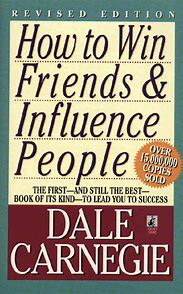
Strategic kindness isn’t about being nice for the sake of it. Dale Carnegie, in How to Win Friends and Influence People (Carnegie, 1936), emphasized that genuine interest in others and offering value without immediate expectation is the foundation of strong relationships. People are drawn to those who make them feel important, understood, and valued. He understood that kindness, when paired with authenticity, can create long-term influence and trust. It’s about leveraging reciprocity, one of the most powerful psychological forces on the planet, to build lasting opportunities. When done right, it’s a force multiplier for success.
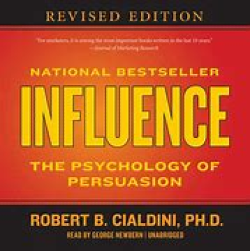
Robert Cialdini, in Influence: The Psychology of Persuasion (Cialdini, 1984), explains how reciprocity is hardwired into human behavior. When someone does something for us, we feel compelled to return the favor. This principle can be used ethically or manipulatively, it’s up to you. The key is knowing how and when to apply it.
Helping someone without an immediate ask creates an invisible debt. Carnegie often spoke about the power of appreciation and encouragement, not flattery, but sincere recognition of people’s strengths. When you make others feel significant, they instinctively want to reciprocate, forming a bond of loyalty that often leads to unforeseen opportunities. Smart networkers understand this. They don’t just collect contacts like trophies; they create value, offer insights, and make introductions with no immediate agenda. Over time, those seeds grow into something bigger. And when they do, the returns are exponential.
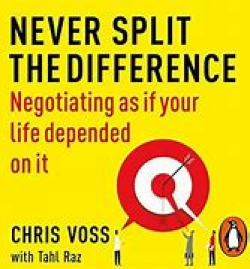
But strategic kindness isn’t just about making deposits into some cosmic favor bank. Chris Voss, in Never Split the Difference (Voss, 2016), emphasizes the power of tactical empathy in negotiations, making the other person feel heard and valued to gain leverage. This aligns perfectly with strategic kindness. Offering something unexpected disrupts expectations and strengthens your position. In environments where everyone is playing hardball, a well-timed act of generosity shifts the dynamic. It breaks expectations. In negotiations, it disrupts the script. Voss teaches that using mirroring, calibrated questions, and unexpected concessions can subtly guide the other party into seeing things your way. The other party softens. Walls come down. You’re no longer just an adversary; you’re someone they want to work with in collaboration.
The long game is where strategic kindness really shines. People rarely forget who helped them when they had nothing. The best investors and most powerful leaders understand this. Warren Buffett is famous for underpricing deals for his partners, not because he’s naïve, but because he knows that goodwill compounds just like capital. Play the long game, and the doors that open are often ones you never even saw coming.
I have many examples of this in my own life. Both as the giver and receiver of kindness. So many salient memories like how kindness built bridges with people and organizations in Costa Rica which has allowed my non-profit, LEEs Heart to collaborate and host a retreat for first responders. Without those connections forged in kindness, I nor my cofounder would have had the idea to start a non-profit in the first place.
There is a balance. Being kind doesn’t mean being a pushover. There’s a difference between being generous and being a doormat. The strongest practitioners of strategic kindness have boundaries. They don’t give indiscriminately. They know exactly who to invest in and when to walk away. Naive kindness drains you. Strategic kindness builds empires.
This applies everywhere, in business, leadership, and personal relationships. The best networkers, the best dealmakers, the people who keep winning, have mastered this. They give without expectation, but never without intent. And when the world comes knocking, they answer.
Some may see this as a manipulation tactic. But my intention is always to be kind, not for personal gain, but for the sake of kindness itself. Over the course of my life, I’ve noticed that it consistently yields dividends, opens doors, and creates opportunities. I intuitively discovered the value of kindness and empathy across all domains of my life, whether professional or personal. I refuse to subscribe to aggressive dominance or Machiavellian deception to achieve a desired outcome. As I embark on a new chapter, building my own enterprises, I intend to act with kindness.
Kindness isn’t a weakness. It’s an asymmetric bet, one where the upside is limitless, and the downside is nearly zero. Play the long game. Give it intentionally. Watch how the world opens up.
References
- Carnegie, D. (1936). How to Win Friends and Influence People. Simon & Schuster.
- Cialdini, R. B. (1984). Influence: The Psychology of Persuasion. Harper Business.
- Voss, C., & Raz, T. (2016). Never Split the Difference: Negotiating as If Your Life Depended On It. Harper Business.