Rotor Wash Reflections
But the realization of most dreams often comes at a cost. And rarely do we account for that cost when the moment arrives to seize what we’ve always wanted. In this case, the cost was my sanity. The wear on my body. The erosion of my peace.

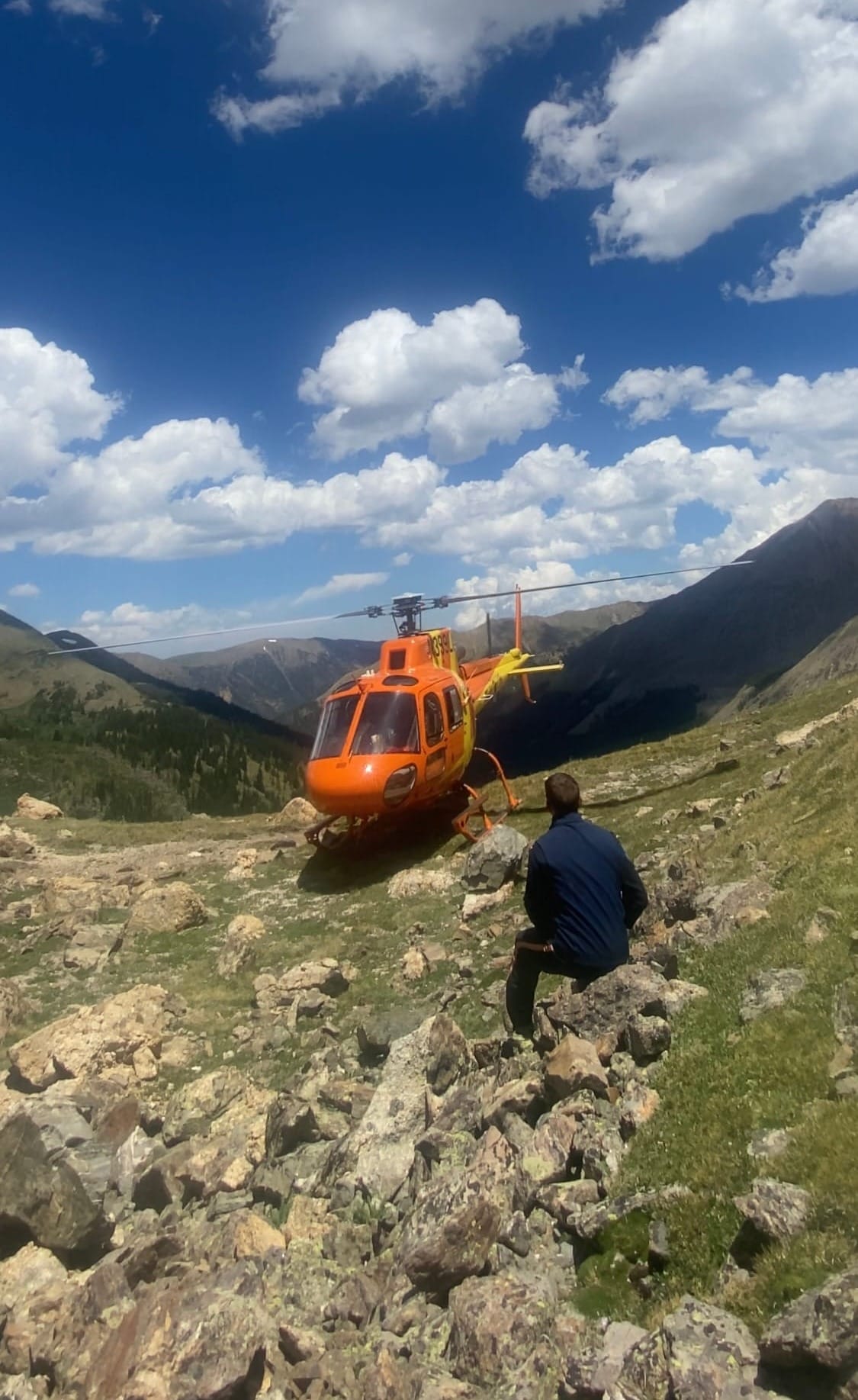
There are moments in life when you realize you’re turning the page at the end of a chapter. You’re standing at the edge of a familiar story, looking at the final sentence before plunging headlong into something unknown.
For the last two years, I’ve lived a dream I carried for most of my life to work as a paramedic on a rescue helicopter. I first wrote about my genesis in this field in Coming Online, and the years that followed were filled with relentless training, long nights, and every imaginable corner of prehospital medicine. From various 911 systems to emergency departments to EMS classrooms, I built a career. But more than that, I built an identity. Becoming a flight paramedic wasn’t just a job it was the apex of everything I had worked toward.
But the realization of most dreams often comes at a cost. And rarely do we account for that cost when the moment arrives to seize what we’ve always wanted.
In this case, the cost was my sanity. The wear on my body. The erosion of my peace.
I accepted the job without protest, without negotiation. I knew the pay wasn’t great. I knew the schedule would be brutal. But I was too eager, too honored to object. Over time, the consequences mounted. I watched the decline unfold in slow motion; mental, physical, emotional health all deteriorating in tandem.
The organization I joined is a pioneer, a legend in the world of aviation and prehospital medicine. It set the standard for critical care transport for over half a century. Cutting-edge protocols. Evidence-based care years ahead of the industry. In every domain, it was elite.
Except one: the well-being of its own clinicians.
Despite overwhelming evidence regarding the intimate and inextricable dangers of shift work, sleep deprivation, and circadian rhythm disruption, the program refuses to change. Schedules are inconsistent and punishing. Days to nights, nights to days sometimes within the same week, sometimes with barely 24-hour turnaround. I’ve become incapacitated by fatigue and a shattered circadian rhythm. At this point in my life, I’ve learned I am no longer resilient to that kind of abuse. I don’t bounce back like I once did and quite frankly I don’t want to.
A few weeks ago, I stood at the edge of a decision I’ve faced before. The decision comes at my lowest points and I’m sad to say I’ve been here too many times over the course of my adult life. Six pounds of pressure. That’s all it would’ve taken to escape the fatigue and finally and permanently rest.
But I held on. Something in me, call it instinct, memory, or faith said wait. Perhaps it was my dog, Jax, or maybe it was the thought of my friends and family caught hold of me.
So, I waited. And then I called my base manager and gave my notice of resignation.
By that point, I was back in therapy, a familiar place for me. Without getting into the full list of DSM-5 diagnoses I’ve collected from childhood trauma, multiple combat deployments, and nearly a decade in emergency services, this most recent therapy brought something new into focus. I began to understand, in a deeper way, my addiction to chaos. I’ve always known I wouldn’t survive a typical 9–5. But I now realize that prolonged exposure to this life and this constant state of alertness has moved well beyond the point of diminishing returns.
It’s not the calls, the blood, the gore, or the heartbreak that broke me. Just like it wasn’t the firefights or near-death experiences in previous lives. My burnout doesn’t come from tragedy. Some people are just born with tragedy in their blood. Inoculated against it.
It comes from indifference.
Inflexible administrators, burnout brushed aside, and the steady, soul-draining erosion brought on by a for-profit healthcare system that treats caregivers as commodities. I don’t feel like a healer anymore. I feel like a cog in a vast, sterile machine that bills peoples’ lives like line items and bleeds caregivers dry.
Sadly, my story isn’t unique. If you walk into any emergency department, ambulance bay, or police station, and take the time to actually ask the people working there how they’re really doing, you’ll find that burnout is not just real, it’s endemic. Depending on the source, the average career lifespan of a new paramedic is about six years. Six years before the machine extracts all it can and spits you out broke, exhausted, disillusioned. Six years before the willful ignorance of administrators, the guilt tripping into working OT due to poor staffing, the biweekly insult that is our paychecks and stressors trying to balance a life outside of work reaches critical mass.
So, like others, I’m voting with my feet and walking a different path.
But for me, this new path doesn’t run away from the work. It runs parallel to it.
Because despite all the pain, the fatigue and the moral injury, I love the people I work with. I love the courage, the humor, the fierce commitment they bring to every shift. I’ve watched them pour everything they have into making a difference for patients and families on the worst days of their lives. That will never stop being sacred to me.
That’s why last year, my best friend and I founded a nonprofit: LEE’s Heart. Our mission is simple: to care for the ones who care for everyone else. In January, we officially received our 501(c)(3) status, and our first wellness retreat for first responders is already planned for this June in Costa Rica.
What began as a modest idea of one first responder wellness retreat per year, has grown into something bigger than either of us imagined. We now have a functioning merch store, dozens of partnerships with business owners and nonprofits, and an outpouring of support from people across the country. I’m stepping away from flight to take the helm of this mission and to give it everything I’ve got because I believe it can change lives. Because I believe we can.
And maybe most importantly I now believe in myself.
I’ve built something from the ground up. I’ve served with everything I had. I’ve survived. And I know now, with unshakable confidence, that I have the power to create whatever life I choose.
I’m leaving emergency services not because I failed, but because I succeeded. And now it’s time to succeed again, on my own terms.
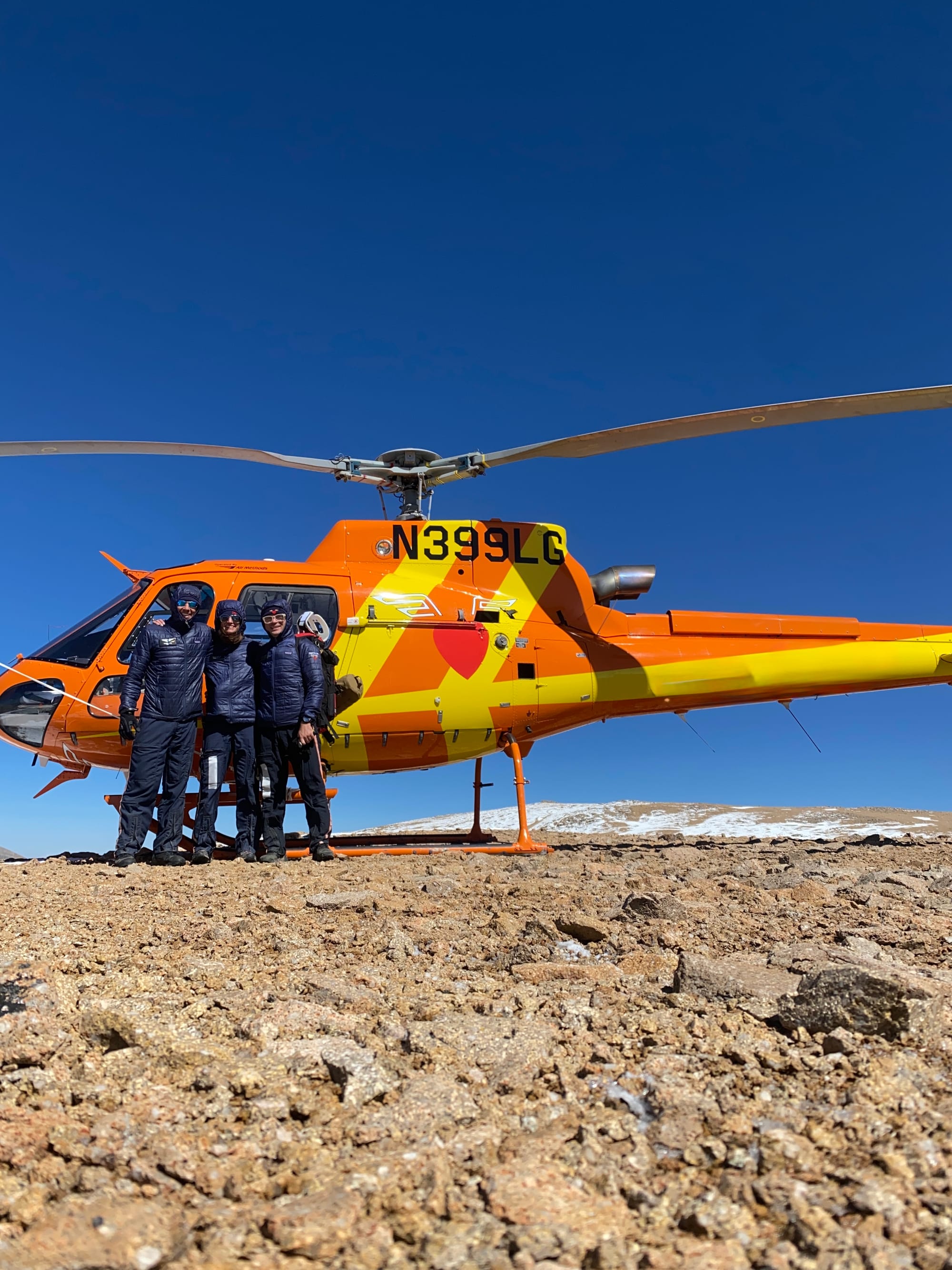
Thank you for reading and supporting. If you are called to do so, and derive any value from reading my words, consider donating to support the page. Any donations received from the link below will go directly toward LEE’s Heart, a 501(c)3 non-profit focused on first responder wellness.